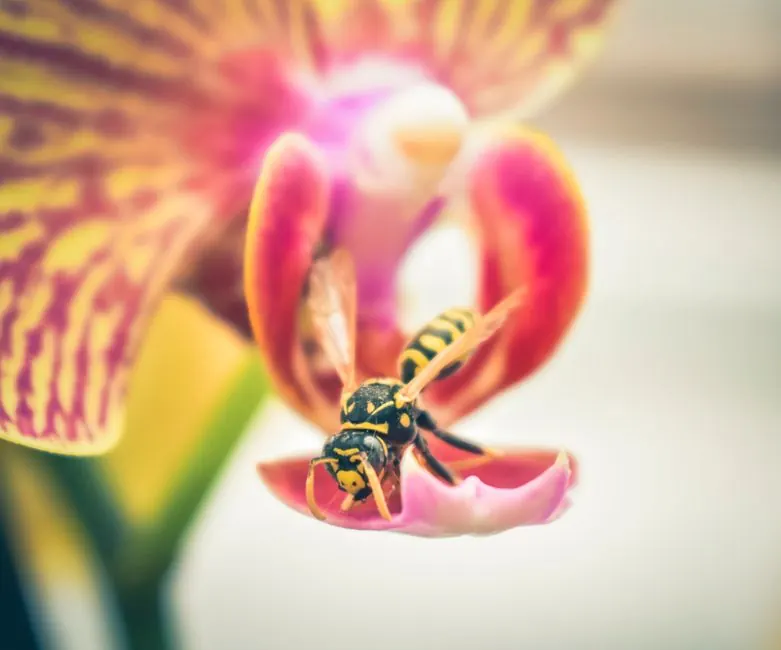
Bees, wasps, and hornets can pose significant challenges for homeowners in Appleton. Knowing how to deal with these insects effectively is crucial for safety and comfort. This guide will help you understand these pests, identify them, and implement effective control measures.
Understanding Bees, Wasps, and Hornets
Bees, wasps, and hornets are all part of the Hymenoptera order, but they serve different ecological roles. Bees are primarily pollinators, while wasps and hornets are predatory and can be more aggressive. Understanding their behavior is key to managing them effectively.
Identifying Common Species
In Appleton, several species of bees, wasps, and hornets are common:
- Honey Bees: These are non-aggressive and crucial for pollination.
- Yellow Jackets: Known for their aggressive behavior, especially in late summer.
- Bald-Faced Hornets: These are black and white and build aerial nests.
- Paper Wasps: Recognizable by their long legs and open, umbrella-shaped nests.
Identifying these species will help you determine the best course of action for control.
Signs of Infestation
Recognizing the signs of an infestation early can prevent serious issues. Look for:
- Nests in or around your home, often found in sheltered areas.
- Increased insect activity near food sources, especially in late summer.
- Unexplained stings or buzzing sounds around your property.
If you notice these signs, it's important to take action quickly.
Prevention Tips
Preventing infestations is often more effective than dealing with them after they occur. Here are some strategies:
- Seal cracks and crevices in your home to prevent entry.
- Keep food and garbage sealed, especially during outdoor activities.
- Regularly inspect your property for nests, particularly in spring.
Implementing these measures can significantly reduce the risk of an infestation.
What to Watch Out For
When dealing with bees, wasps, and hornets, there are common mistakes to avoid:
- Trying to remove nests without proper protection or experience.
- Ignoring signs of an infestation until it becomes severe.
- Using DIY methods that may not be effective or safe.
Be cautious and informed to protect yourself and your family.
When to Call a Professional
If you encounter a large nest or if you or someone in your household has allergies, it's essential to call a professional. Wisconsin Pest Pros specializes in Bees, Wasps, and Hornets Control in Wisconsin and can safely handle infestations. Our experts understand local species and can provide effective solutions tailored to your needs.
Frequently Asked Questions
What attracts bees, wasps, and hornets to my home?
These insects are attracted to food sources, especially sugary substances and proteins. Keeping your outdoor areas clean can help minimize their presence.
Are bees dangerous?
While bees generally avoid confrontation, they can sting if provoked. It's best to leave them alone, especially since they are vital for pollination.
How can I safely remove a wasp nest?
It's best to contact a professional for wasp nest removal. DIY removal can be risky and may provoke aggressive behavior from the wasps.
When is the best time to remove a hornet nest?
Late evening or early morning is ideal for removal when hornets are less active. However, professional assistance is recommended for safety.
What should I do if I get stung?
If stung, remove the stinger if present, clean the area, and apply ice to reduce swelling. Seek medical attention if you experience severe reactions.
Get Help with Pest Control in Appleton
For effective pest control solutions, contact Wisconsin Pest Pros. Our team can help you manage bees, wasps, and hornets effectively. Call us at (877) 519 0518 for a consultation today.